As New Zealand grapples with growing energy security concerns, a Kiwi company has secured major international backing to turn waste into renewable gas. Why are overseas markets moving faster than us?
Kiwi company Cetogenix is breaking new ground in the global renewable gas sector, after securing $23 million in investment from the UK as part of a water innovation grant.
Based in Rotorua, Cetogenix uses hydrothermal oxidation technology to turn complex organic waste into renewable gas and ammonia. The technology can convert UK sewage sludge into bioresources rather than being spread on agricultural land.The newly announced grant will allow Cetogenix and its partners to scale up this technology for commercial use, within the UK water sector as part of a programme that aims to accelerate the development of next-generation infrastructure.
While the project is focused on the UK, it highlights an opportunity that is becoming increasingly relevant in New Zealand.
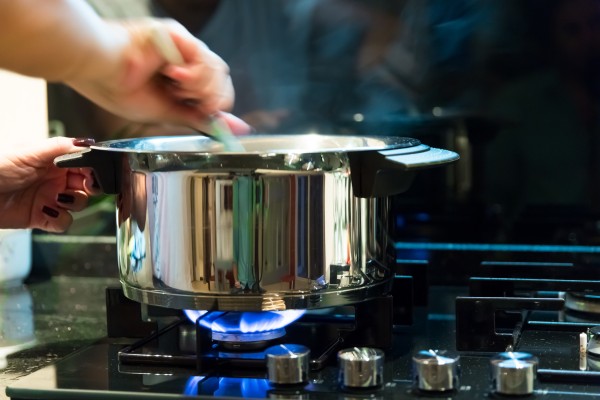
iStock - Cooking with gas
Getting behind renewable gas
New Zealand is facing declining domestic natural gas production, and while this does not directly impact gas supply for homes and businesses, it does impact energy costs and growing concerns about long-term energy security. Renewable gases such as biomethane are attracting greater interest because they can be produced locally and used through much of the existing gas infrastructure, helping diversify supply while reducing emissions.
Biomethane can often be used as a direct substitute for natural gas, making it one of the more practical renewable energy options for existing gas users. The technology that produces biomethane from organic waste can deliver a range of benefits:
- Creates a renewable source of gas that can supplement natural gas supplies for homes, businesses and industry.
- Helps recover value from wastewater and other organic waste streams.
- Diverts treated wastewater sludge from landfill.
- Improves energy security by generating renewable gas locally.
- Reduces chemical contaminants which can make their way into rivers and streams.
- Supports a more circular economy by turning waste into useful products.
The biomethane industry in New Zealand is operating at only a tiny fraction of its potential, as noted in the Government Statement on Biogas. We’ve seen from international examples that biomethane can play a meaningful role to improve both energy security and help to decarbonise hard-to-abate sectors.
Overall, generating bioresources from waste helps us create a more circular economy, which has strong environmental and economic benefits. If biomethane production scaled up, New Zealand could benefit to the tune of $61 million a year or more from just one petajoule of biomethane production, according to Gas NZ’s 2026 report. Gas NZ maps a path to success that requires more support from government, including government and industry oversight, and a Regional Biomethane Acceleration Fund to unlock biomethane projects at scale.
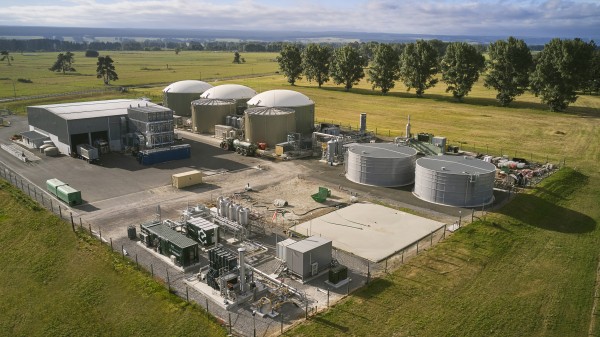
New Zealand’s first Biomethane upgrade facility Ecogas’ Organics Processing Facility, Reporoa
Undervaluing biomethane in our energy sector
New Zealand processes hundreds of millions of litres of wastewater every year, but much of the potential value contained within those waste streams remains untapped.
One of the challenges facing the sector is that the wider benefits of renewable gas are not always recognised within current market settings. In some overseas markets, including the UK, dedicated green gas certification and trading systems help create additional value for renewable gas production and encourage investment in new projects.
In New Zealand, biomethane is currently priced the same as natural gas, whereas a premium price could help grow the industry and recognise all the benefits biomethane brings.
One report from the Water Services Authority cited a lack of incentives and tradability as reasons for the slow development of the sector. The authors estimated that, with the right setup and support, Māngere’s wastewater treatment site alone could generate nearly 15% of Auckland’s residential natural gas consumption.
New Zealand has the expertise, technology and innovative thinking needed to play a leading role in this space. The UK's investment in Cetogenix demonstrates that international markets see value in Kiwi innovation. The challenge now is creating the conditions for more of these opportunities to be developed and deployed here at home.
“New Zealand has the expertise, know-how and creative thinking to make a real difference in this space,” says Cetogenix CEO Dr Trevor Stuthridge.
“This UK project will help us take our technology to the next level internationally – but we also hope to leverage this momentum to make a positive difference in New Zealand’s local infrastructure and primary sectors.”
You can read more about Clarus’ role in New Zealand’s energy transition at Future of Energy.