
Through ongoing research and industry engagement, we're evaluating the potential of renewable gases such as biomethane and hydrogen, and what their future use could mean for our networks and customers.
The future of gas
Clarus believes renewable gas has a big part to play in New Zealand’s energy future and we're right behind it.



Sourced: Clarus
At Clarus, we're focused on understanding the role renewable gases could play in New Zealand's evolving energy landscape.
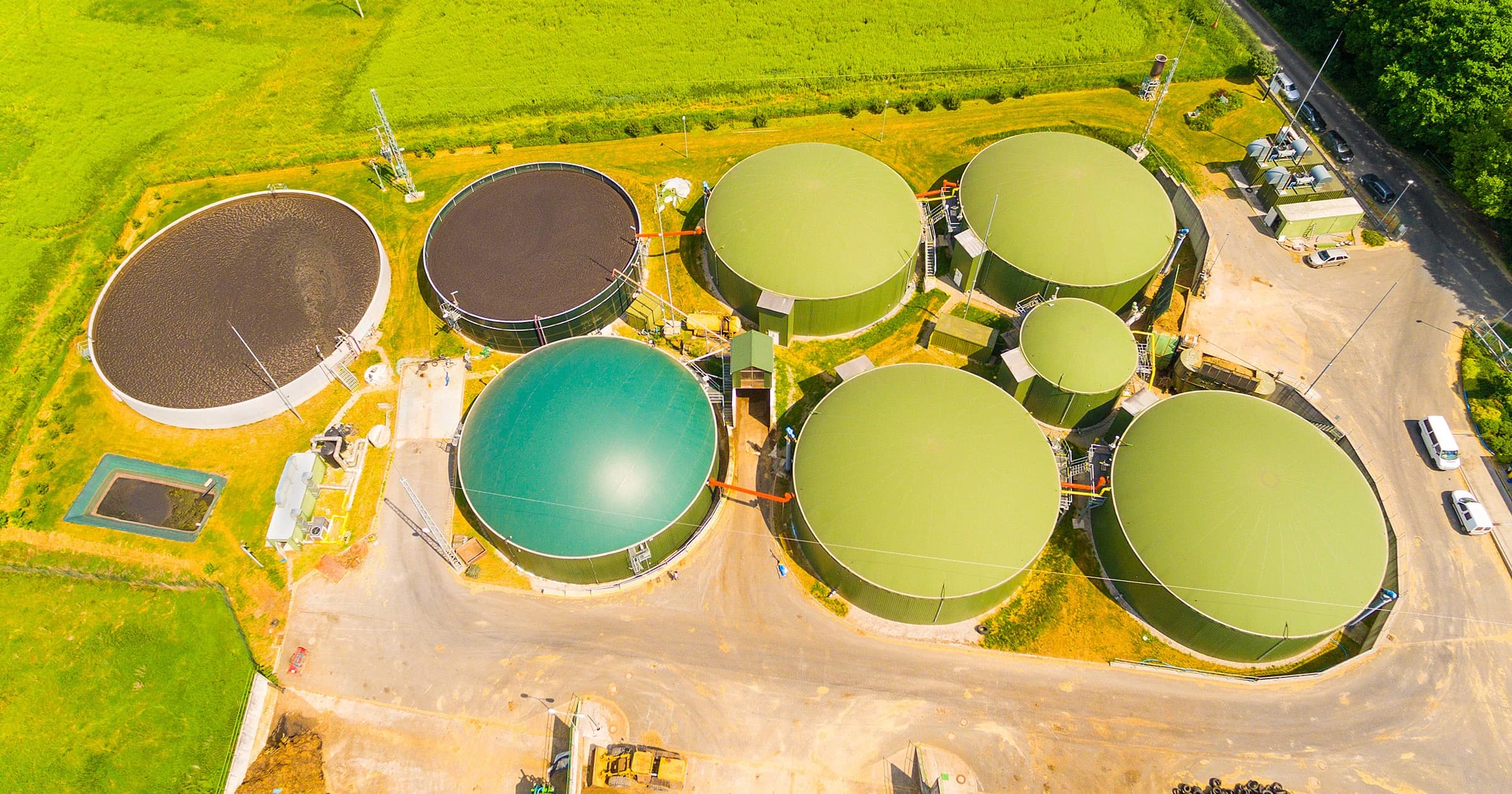
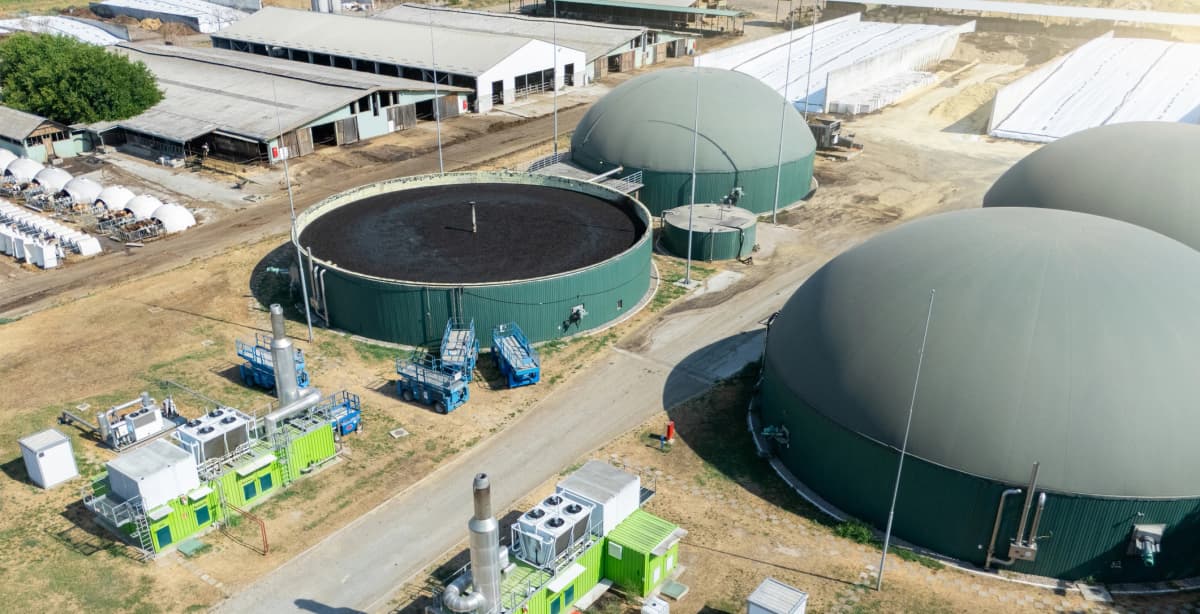
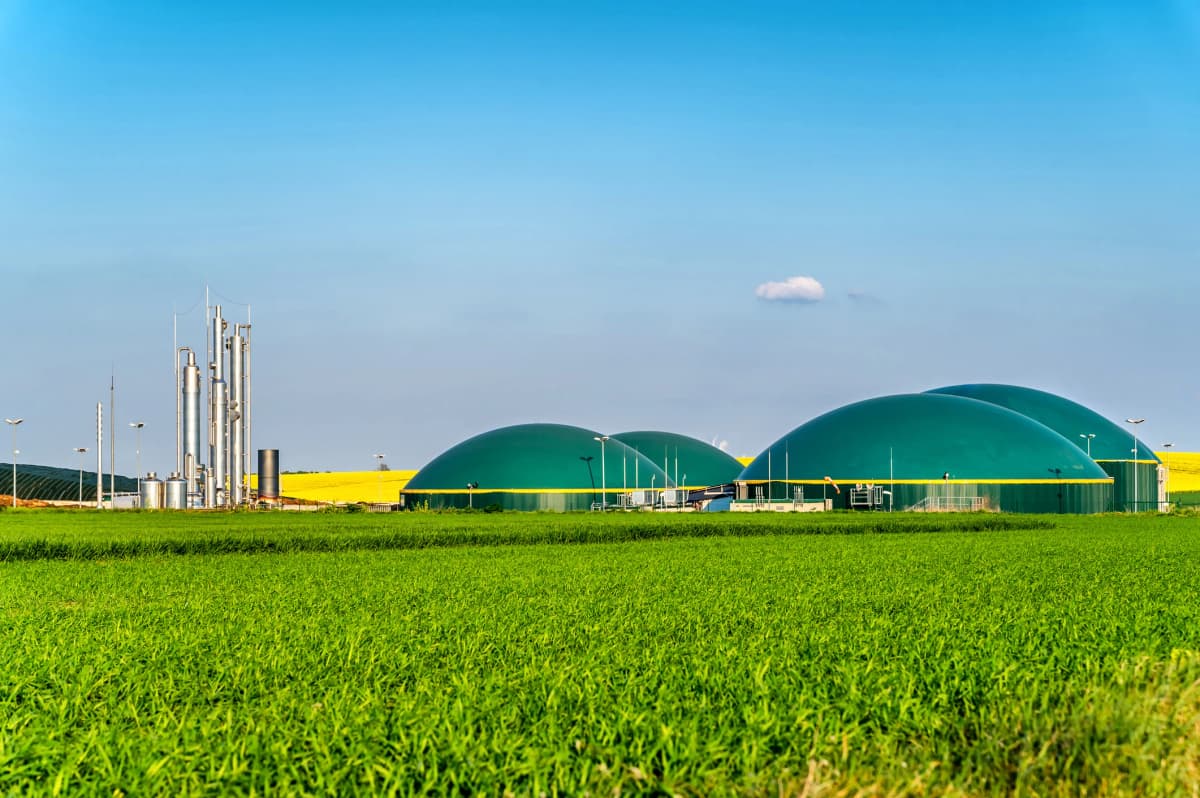
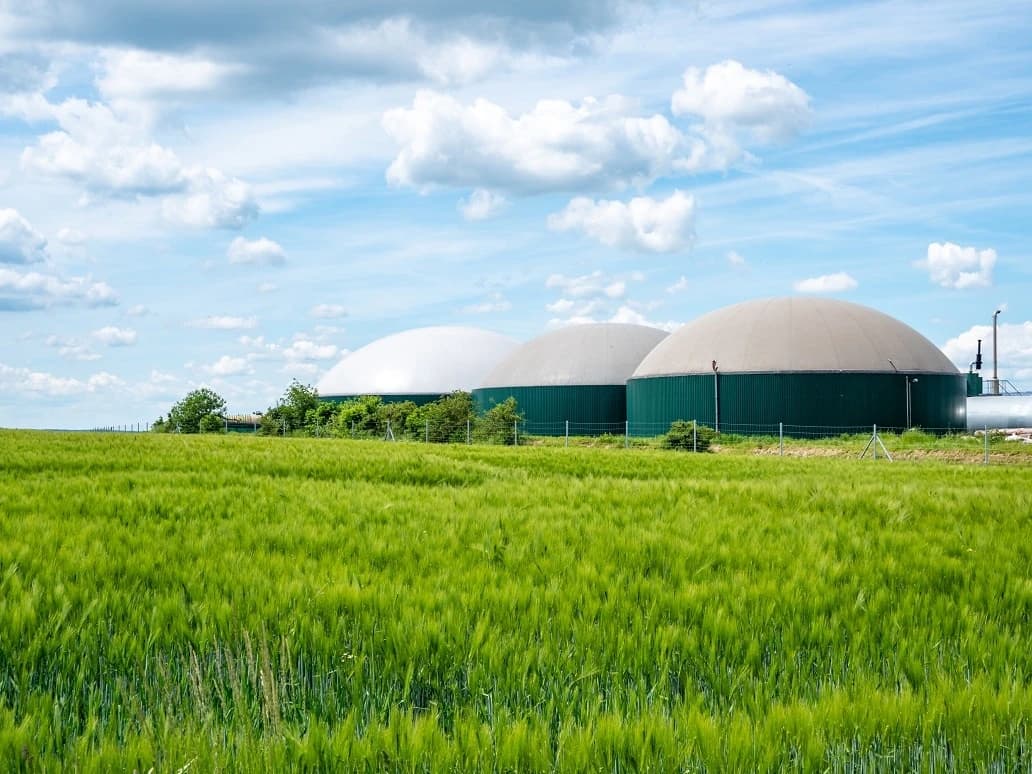
iStock image of arial view of biogas plant and anaerobic digesters
A future with renewable gas
Work is already underway to introduce renewable gas into New Zealand homes and businesses, alongside a clear pathway for biomethane. In 2026, the Biomethane Strategy and Action Plan was delivered, outlining how renewable gas could supply significant volumes by 2035 and meet up to half of New Zealand’s gas demand by 2050.
Achieving this will require strong collaboration between government and industry, targeted investment, supportive policy, and better use of organic resources to produce biomethane.
Explore the full Biomethane Strategy and Action Plan and supporting reports to learn more:
Biomethane Strategy and Action Plan: Summary Document
Biomethane Strategy and Action Plan: Evidence Base, Framework and Analysis
Sense Partners economic analysis: Systemwide effects of biomethane production in NZ
Renewable gas explained
Renewable gas explained
When we talk about renewable gas and our renewable gas projects, you may hear a range of industry terms. Watch our video to learn what these key terms mean and how they relate to our renewable gas projects.
Sourced: iStock
Renewable Gas
Renewable gas is widely used to describe gases that do not produce additional GHG emissions when combusted. There are two primary forms of renewable gas: Renewable hydrogen or green hydrogen and Biomethane. Generally, renewable gases (or some form of blended renewable gases) can be relatively easily stored in large volumes within existing gas networks.
Hydrogen
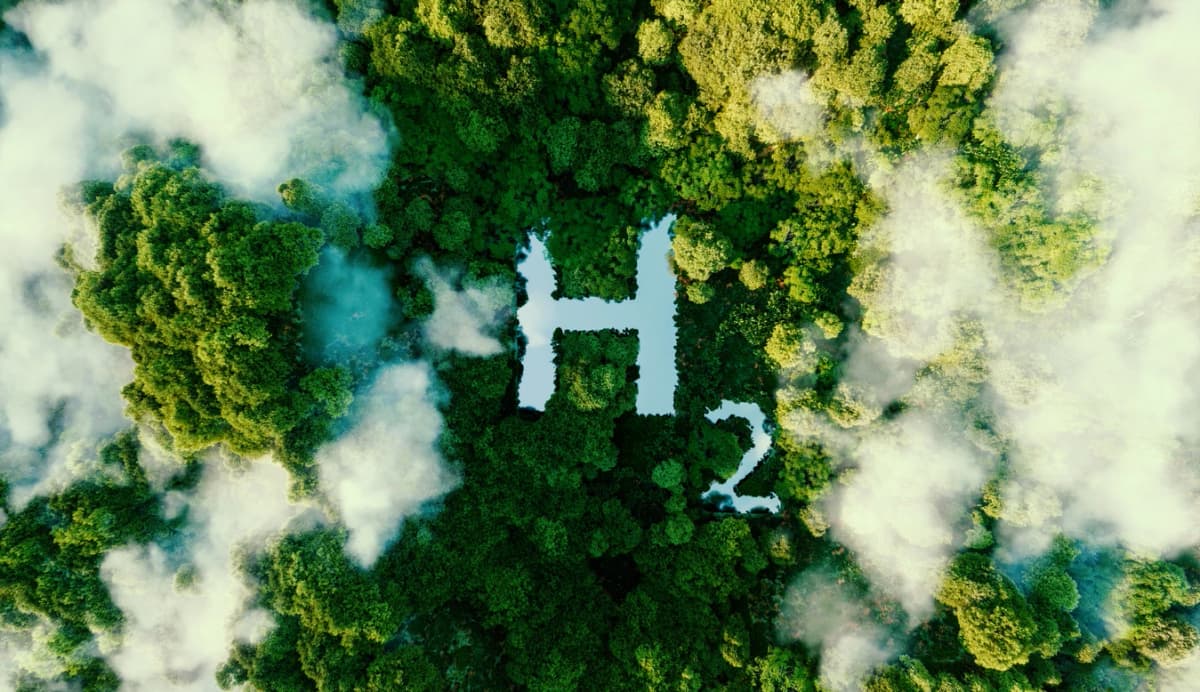
Hydrogen (H2) is the most abundant element in the universe. When used, hydrogen does not release any carbon or other greenhouse gas emissions.
Hydrogen gas can be used as a substitute for natural gas in various industrial uses, including for heating, power production and as feedstock.
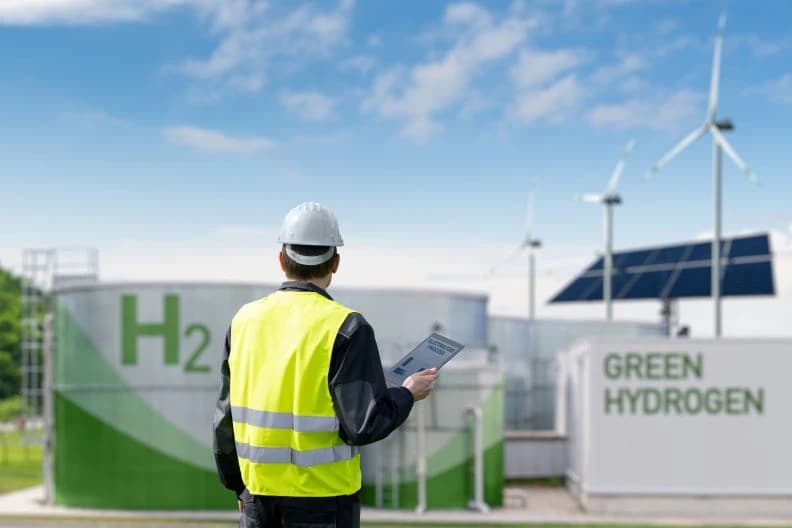
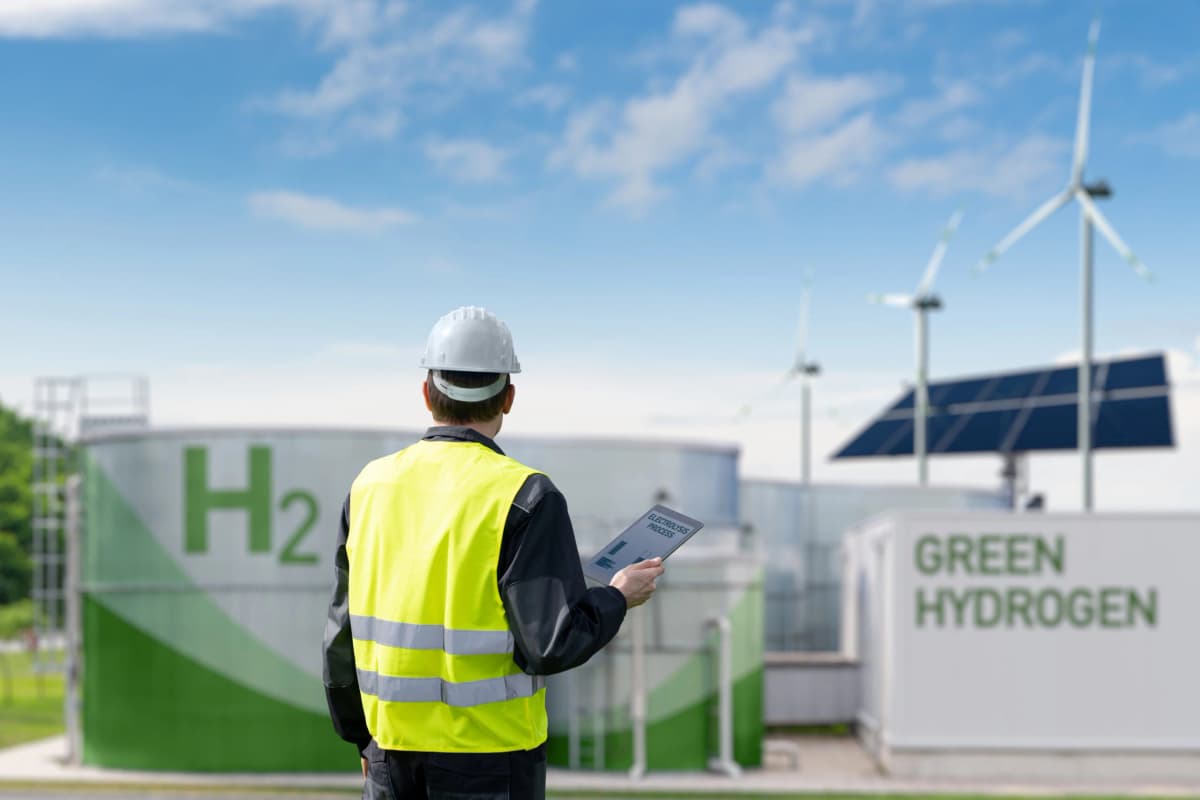
Renewable hydrogen or green hydrogen is produced by using renewable electricity to separate hydrogen from water. Learn more about green hydrogen here.
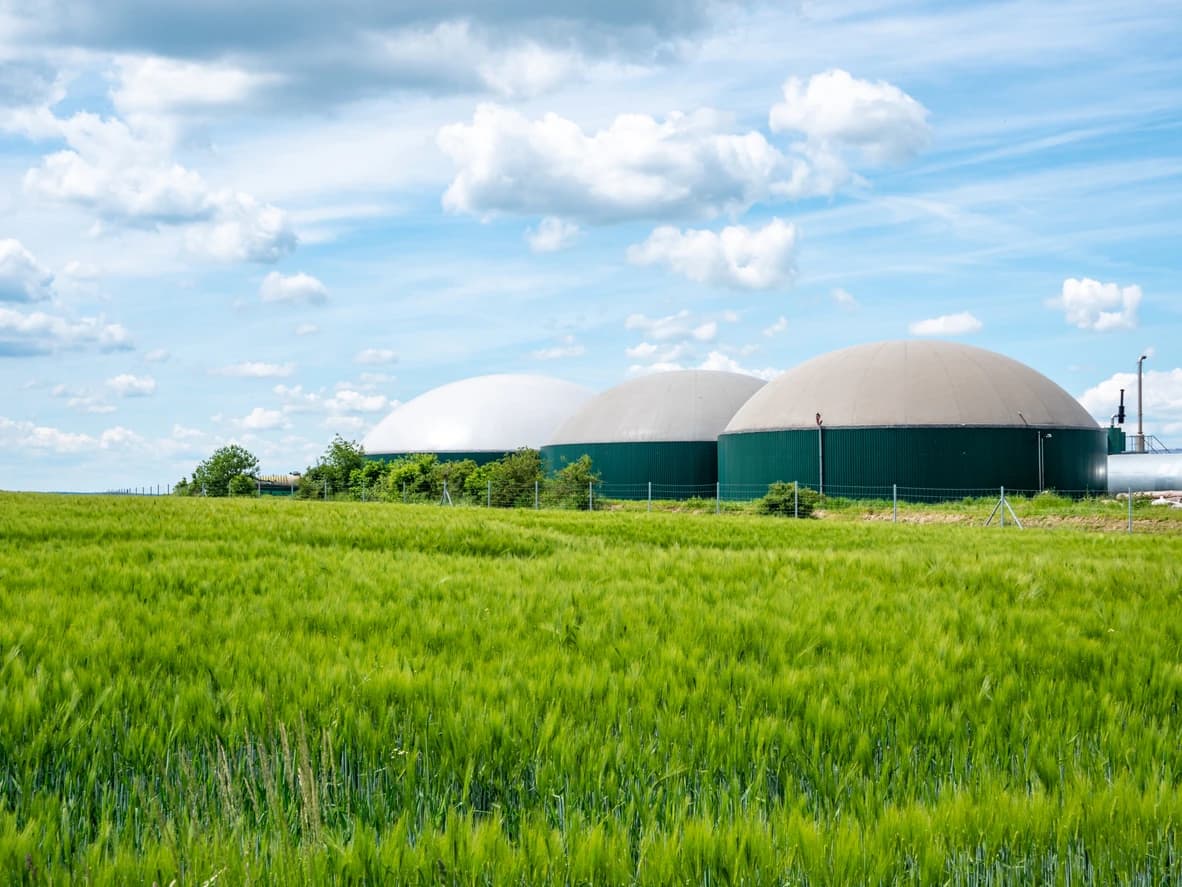
Sourced: iStock
Biomethane
We define biomethane consistently with GasNZ*, being methane produced from renewable sources like digested organic waste and gasified biomass. It has the same chemical make up as natural gas. It is a less emissions intensive form of methane - produced by further processing or “scrubbing” of biogas. In New Zealand, biomethane is biogas that has been upgraded to meet the pipeline gas specification (NZS5442 in New Zealand).
Biogas
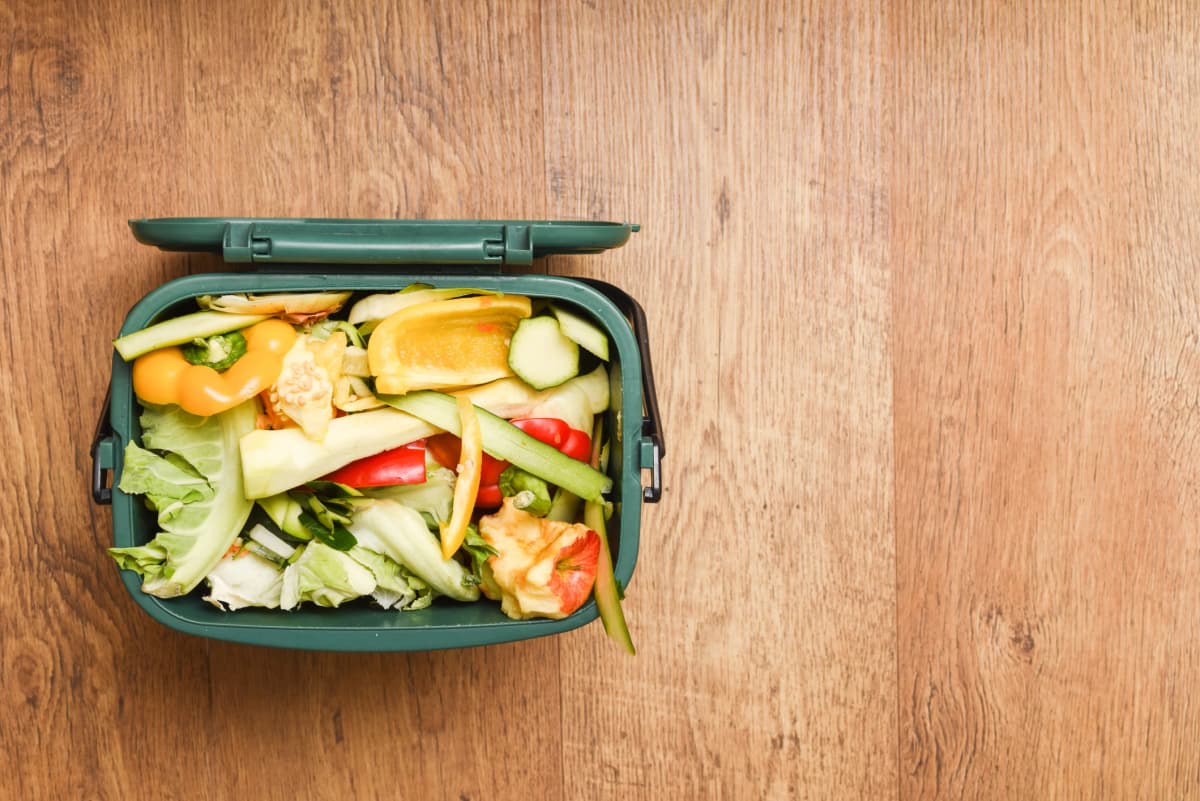
A renewable energy source containing a mixture of gases, primarily methane, carbon dioxide and hydrogen sulphide. It can be produced from raw materials such as manure, municipal waste, plant material, sewage, green waste, wastewater, and food waste.
*GasNZ provides a single and consistent voice for all gas fuels. GasNZ members have interests in natural gas, LPG, biogas and hydrogen gas, and represents all parts of the gas chain.
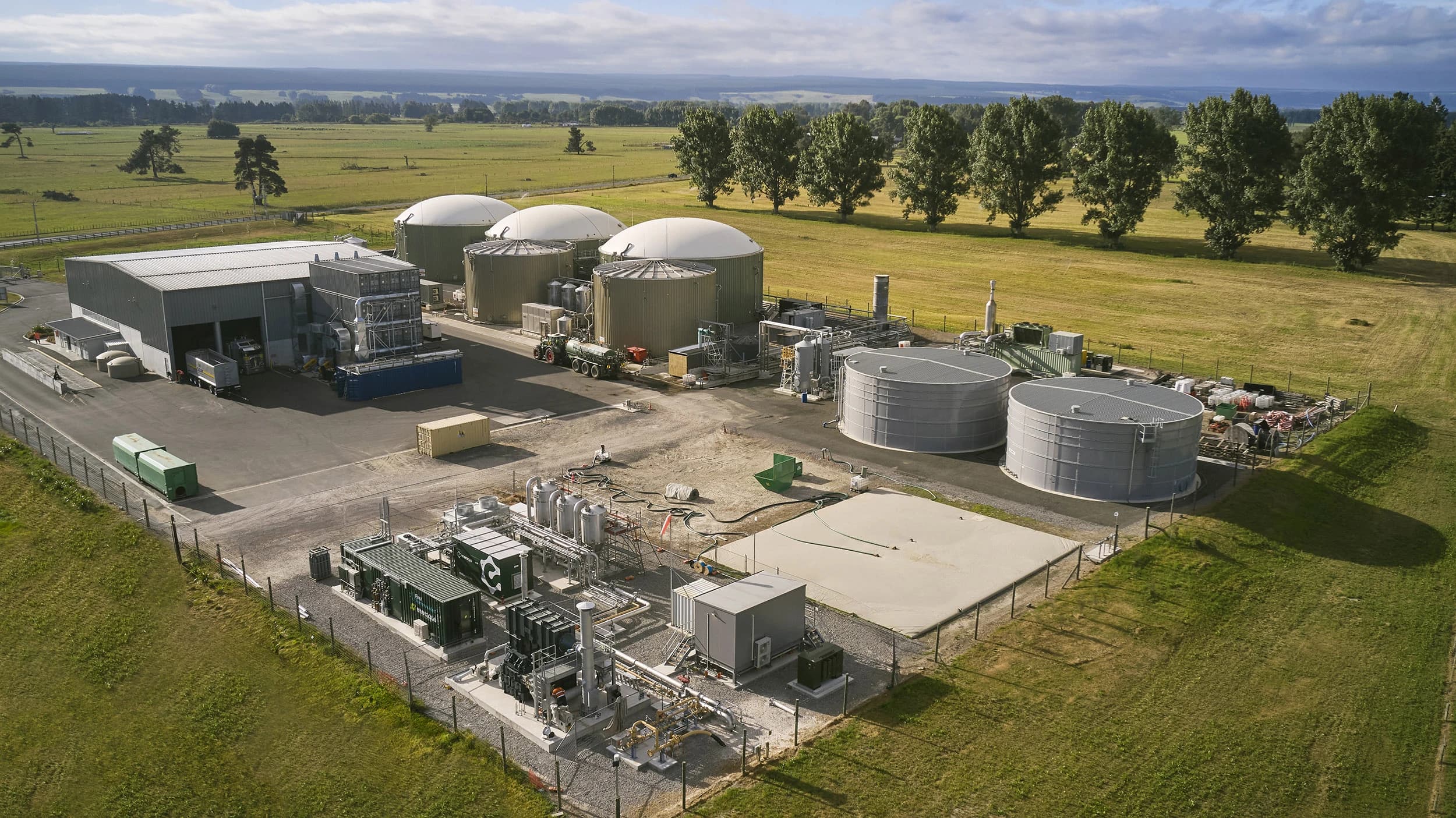
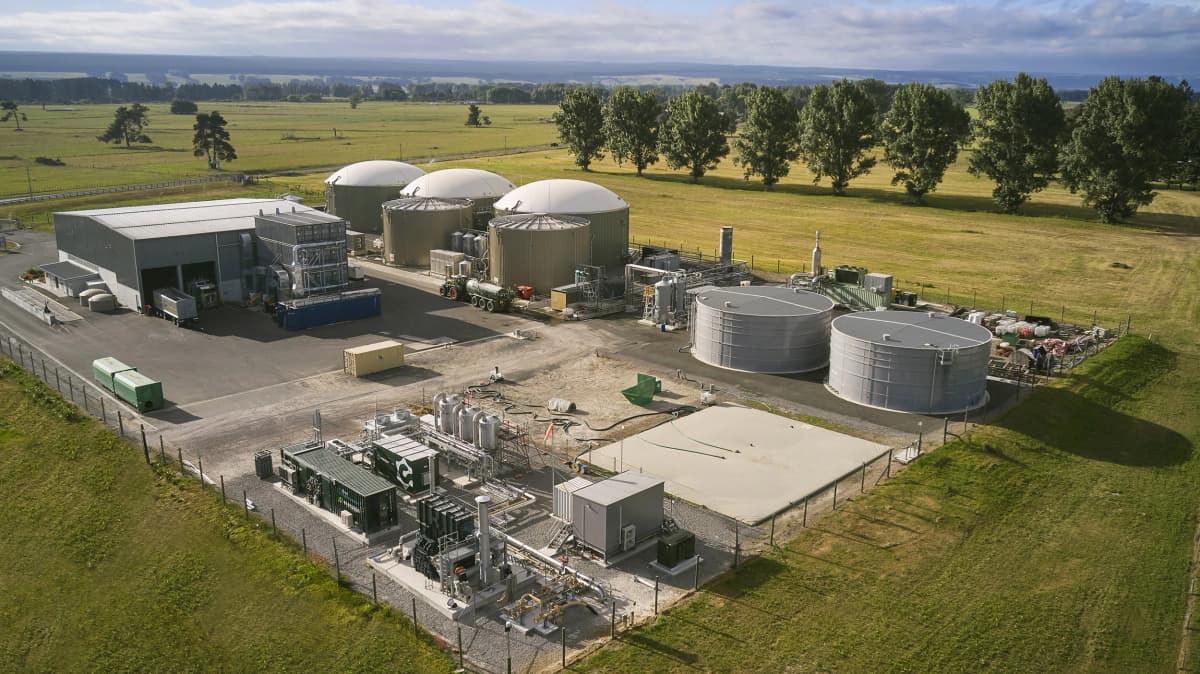
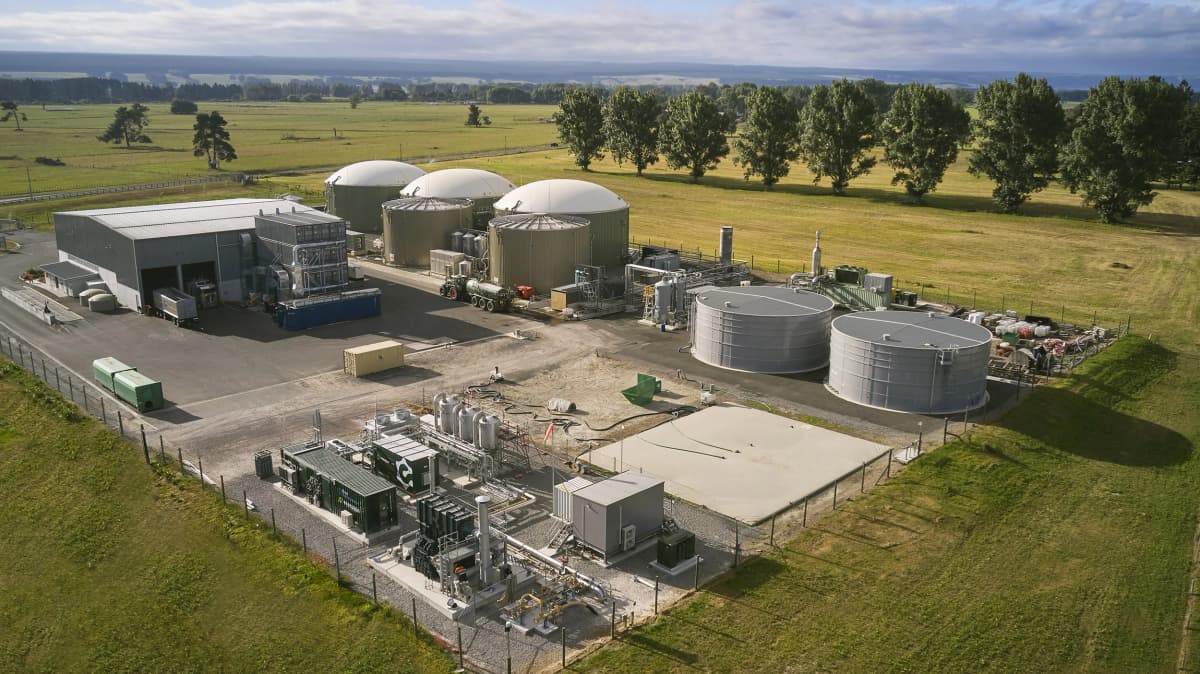
Ecogas Reporoa Organics Processing Facility
How Clarus is using biogas
First Renewables and Ecogas are converting food waste into biomethane, a renewable gas supplied through the Firstgas network. The Reporoa facility has the potential to power up to 7,200 homes annually*, while reducing emissions and creating valuable by-products that support soil health and a more circular, sustainable future for New Zealand.

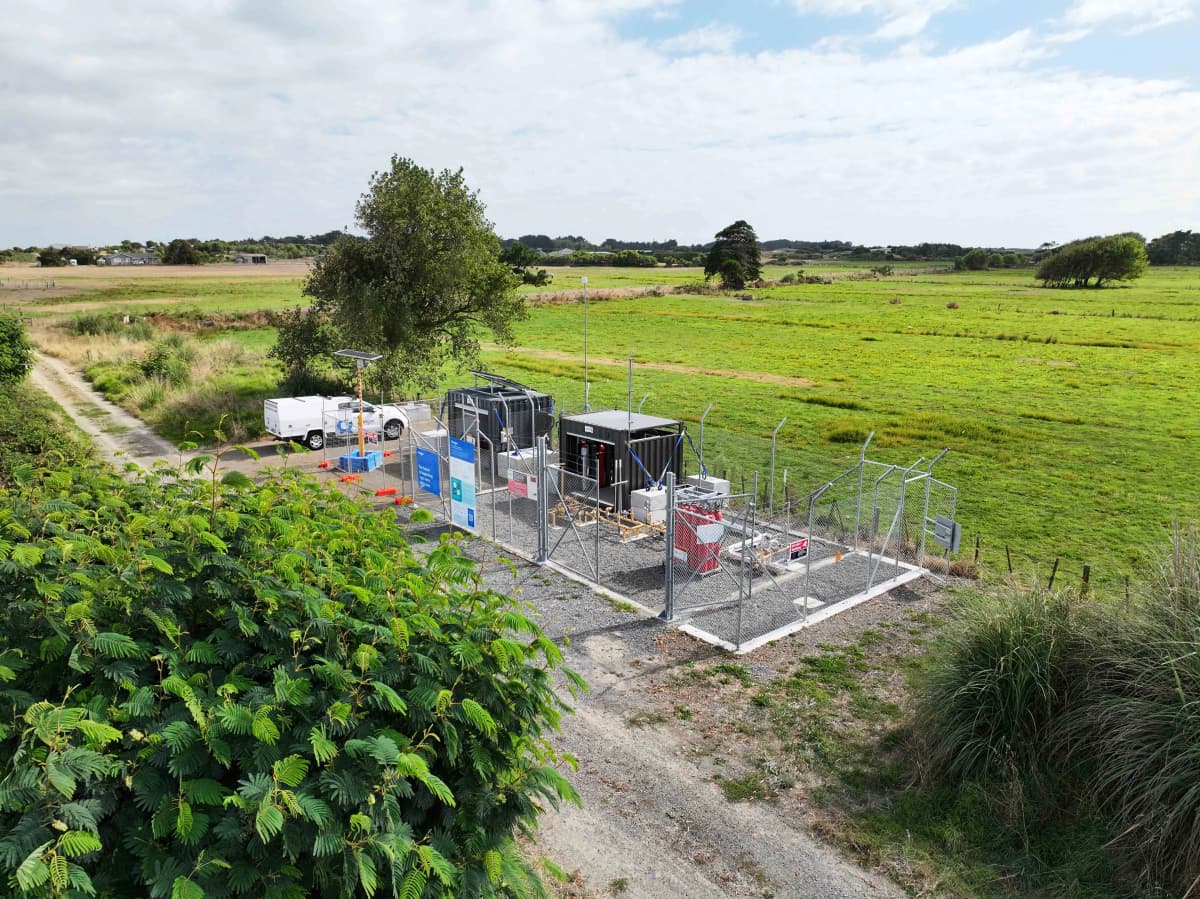
Sourced: Te Horo Hydrogen
New Zealand’s first hydrogen blending pilot
Hydrogen is a cleaner alternative to natural gas. It can be produced by electrolysis, which uses electricity to split water into hydrogen and oxygen. When that electricity comes from renewable resources like wind or solar, the process creates no new carbon emissions, and the hydrogen produced is known as “green” hydrogen.
Firstgas, part of Clarus, has completed New Zealand’s first hydrogen blending pilot, together with its partners Vector, Powerco, Nova Energy and GasNet. Over 16 weeks from June to October 2025, fourteen pioneering households in Te Horo, on the Kāpiti Coast, received a gas blend starting at 3.5% hydrogen up to 12% by volume, (which translates to 3% energy delivered), through the existing gas distribution network.
Related articles
Renewable gas action plan shows huge potential benefits
How do we achieve renewable gas that meets half of New Zealand’s natural gas demand by 2050? The latest GasNZ document is a brilliant start, says Peter Sandston, Acting GM for Future Fuels at Clarus.
Biomethane action plan could meet half of NZ’s natural gas demand by 2050
A new strategy from GasNZ highlights how renewable gas made from organic waste could help strengthen New Zealand’s energy security while reducing emissions. Biomethane could be a core part of New Zealand’s renewable energy supply by 2035 and meet up to half of natural gas demand by 2050, according to the newly released Biomethane Strategy and Action Plan.
Good Energy at Work – Clarus advancing NZ’s renewable energy future
Clarus is one of New Zealand’s largest energy groups, powering nearly half a million homes and businesses nationwide. The companies within the Clarus group play a crucial role across the energy spectrum, covering transmission, distribution, supply, and storage, to keep energy flowing to communities across Aotearoa.
New Zealand’s first Hydrogen blending pilot reaches 10% milestone
Firstgas, part of Clarus, together with GasNet, Nova Energy, Powerco, and Vector, has reached a key milestone in New Zealand’s first hydrogen blending pilot. Fourteen households in Te Horo, on the Kāpiti Coast, are now receiving a gas blend containing 10% hydrogen by volume, delivered through the existing gas distribution network.
Renewable gas gains momentum with government’s “Statement on Biogas”
There’s been an exciting development for Aotearoa New Zealand’s energy future and for our growing renewable gas industry.
Turning waste into Renewable Energy
Biogas is a renewable energy source that comes from organic waste. Almost any organic waste product, from food scraps to crops to human sewage, can be turned into biogas. It doesn’t create any additional greenhouse gas emissions, making it a net zero emissions gas.
Why we're planning a small pilot to blend hydrogen into the Firstgas pipeline
Firstgas is getting closer to commencing New Zealand’s first Hydrogen blending pilot, with support from its partners Vector, Powerco, Nova Energy and GasNet. We plan to blend a small amount of hydrogen, a type of renewable gas, with natural gas into the existing natural gas pipeline in Te Horo.
Renewable gas flows in New Zealand pipeline for the first time
First Renewables, is thrilled to confirm that renewable gas is now flowing through a Firstgas pipeline for the first time, marking a pivotal moment not only for the gas industry but for New Zealand’s journey towards a sustainable, low-carbon energy future.
Hydrogen blending: A step on the path to net zero
As Kiwis, we love the benefits gas brings. Think instant heat, endless hot water, and cooking with a flame. Based in the energy-rich region of Taranaki, Firstgas connects over 300,000 homes and 19,000 businesses and industries, to gas.
From food scraps to renewable energy – how does it work?
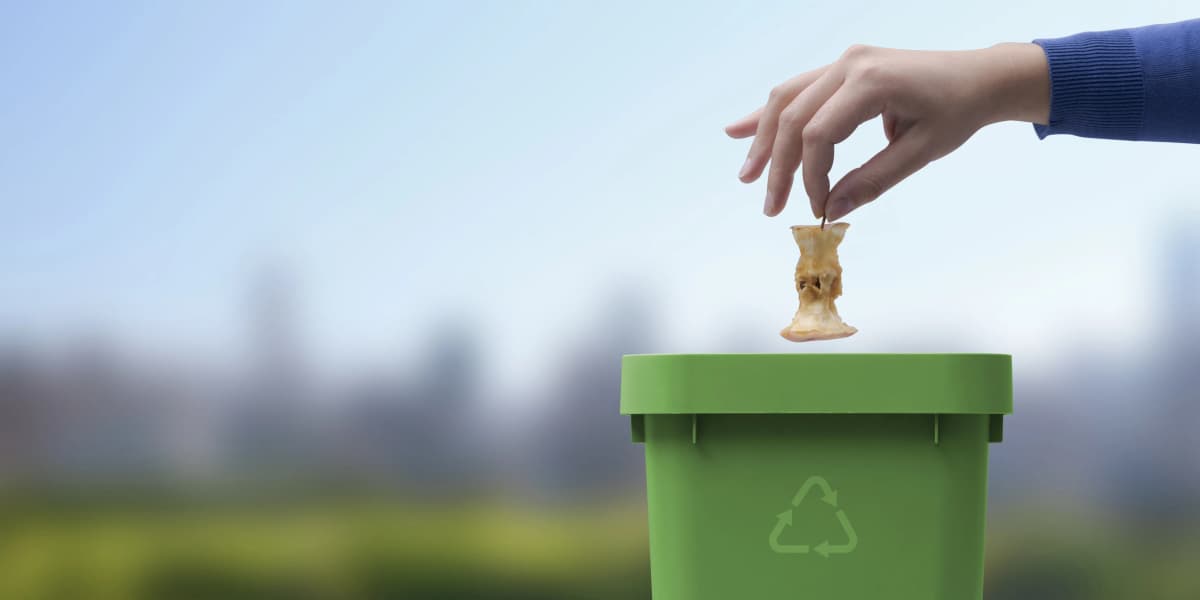
How do you turn kumara peel and banana skins into renewable energy and bio fertiliser? Here’s how kerbside food waste is collected in Auckland, processed at Ecogas’ organics processing facility in Reporoa, and then turned into renewable gas once processed through First Renewables biogas upgrade facility at the same site.

Key milestone reached in NZ’s first hydrogen blending project
Firstgas is one step closer to commencing New Zealand’s first Hydrogen Blending Pilot with WorkSafe granting two exemptions to Firstgas to enable the project to move forward.
Could we be cooking with renewable gas in the future
It’s a confusing time for energy consumers, especially those using gas. There are some opinions out there that New Zealand needs to go 100% electric and that for various reasons our gas supplies are dwindling. However, gas remains critical to supporting our country’s variable renewable electricity supply.

Gas is here to stay
It’s a confusing time for energy consumers, especially those using gas. We are told on the one hand that our country needs to go 100% electric and that our gas supplies are dwindling. Yet gas remains critical to supporting our country’s variable renewable electricity generation sources – a point that was made crystal clear with the threat of power shortages on the coldest day of the year so far.
The future of gas is changing, and we’re right behind it
Clarus are the energy experts. As a leader in New Zealand’s energy sector, Clarus has the future of gas in our sights while at the same time making sure our customers are delivered natural gas and LPG safely and reliably, right now.
Big oil moves into biogas
Big oil companies aren’t in the business of losing money. That’s why it’s fascinating to see Shell and BP investing billions of dollars into biogas, a renewable energy source that could eventually replace natural gas and help reduce global carbon emissions.