How do we achieve renewable gas that meets half of New Zealand’s natural gas demand by 2050? The latest GasNZ action plan is a great place to start, says Peter Sandston, Acting GM for Future Fuels at Clarus.
The recent Biomethane Strategy and Action Plan sets out a pathway for growing the country’s renewable gas production, so that it becomes a core part of our long-term renewable energy supply. The strategy sets out the many benefits of a burgeoning biomethane sector, from substantial economic contributions to lower greenhouse gas emissions and reduced landfill waste.
“Renewable gas can deliver so many benefits,” he explains. “Biomethane offers a proven, near‑term solution, allowing businesses to significantly reduce emissions while continuing to use existing gas infrastructure and equipment.”
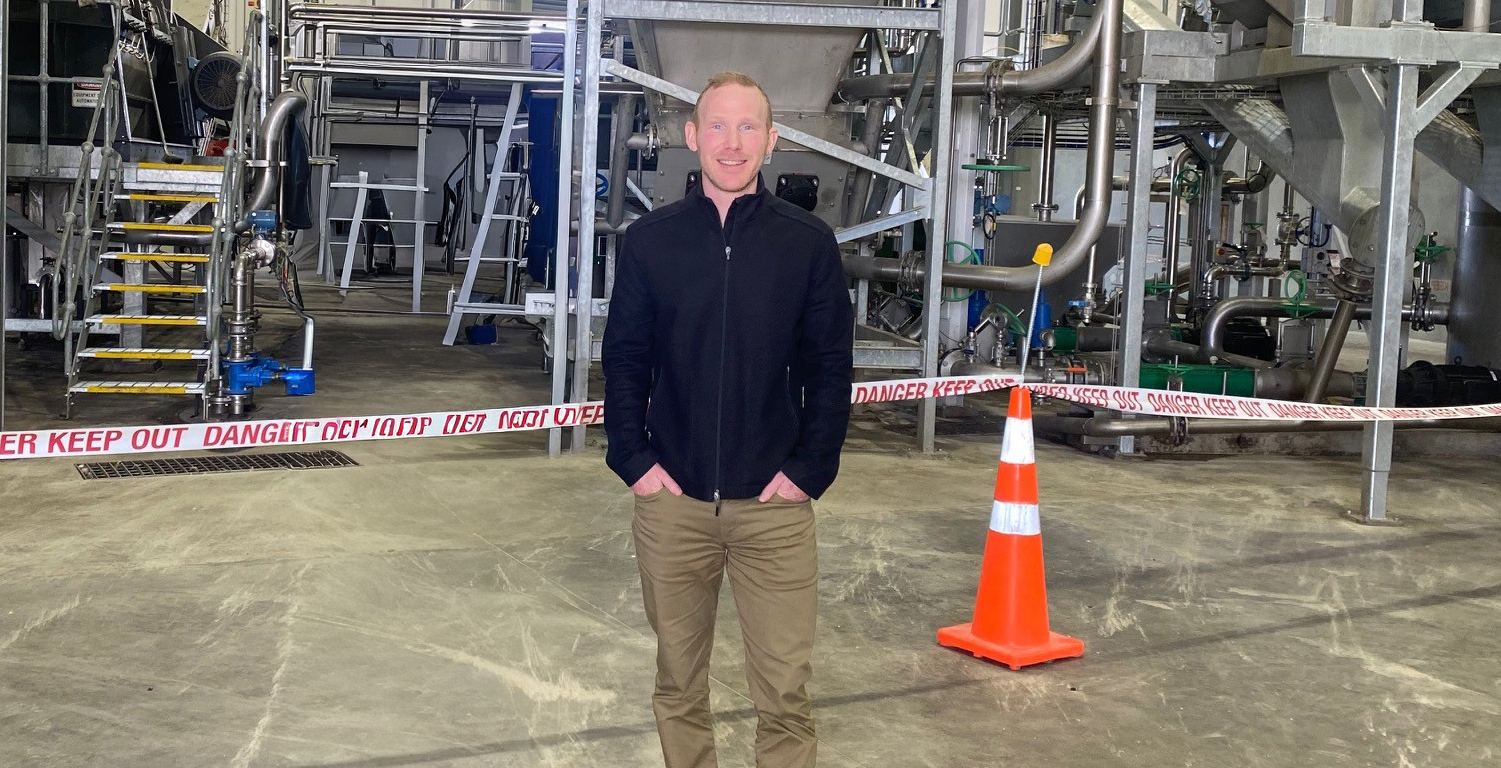
Peter Sandston, Acting GM Future Fuels at Reporoa Organics Processing Facility
Endorsement, investment and leadership
To realise the benefits of a growing renewable gas industry, there need to be some actions from government, including in the first stage:
- An approved Biomethane Strategy with cross-party endorsement.
- Investing in the market to deliver 1 PJ of biomethane right away, 5 PJ by 2035 and 25 PJ by 2050.
- A government-appointed lead agency with the mandate and resources to integrate the Biomethane Strategy into policy, regulatory change and action.
- A joint government/industry Ministerial Advisory Group to guide execution of the strategy and adapt it over time.
- Government-funded public information about resource recovery, biomethane and the significant value – beyond just energy – that the Biomethane Strategy will deliver for Kiwis.
“Many major economies including Australia actively support development of their renewable gas sectors, especially at the early stages” says Sandston. “New Zealand has an opportunity to grow our own renewable gas sector, minimising waste, improving freshwater and soil health and helping to decarbonise hard-to-abate sectors, all while strengthening our energy security.”
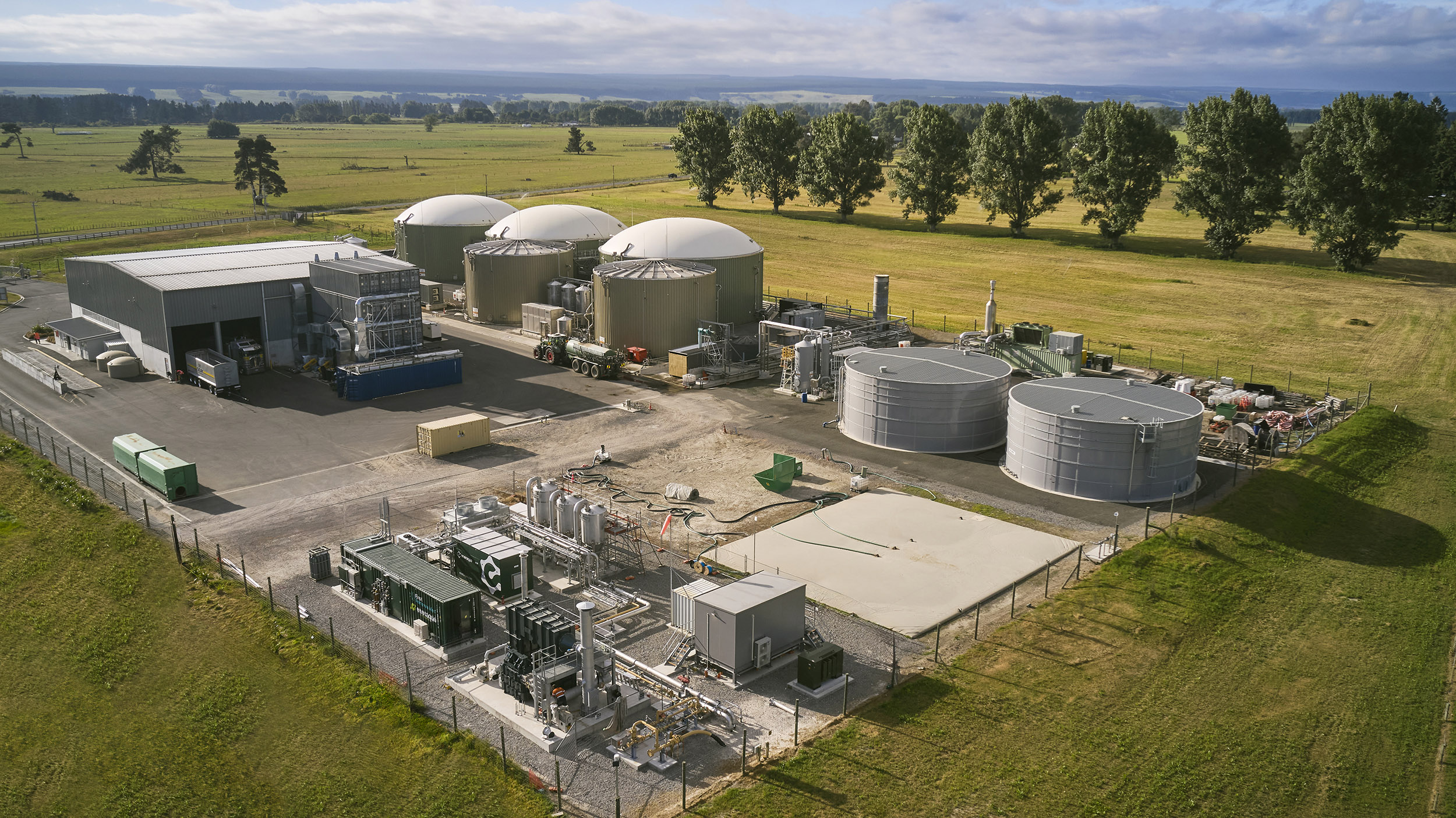
The Biomethane upgrade facility at Ecogas’ Organics processing facility in Reporoa
Contributing to a more circular economy
Sandston points to the wider environmental benefits of the renewable gas process, which include:
- Reducing waste to landfill and making use of valuable organic matter that is currently being thrown away.
- Cutting emissions directly as biomethane replaces natural gas; biomethane emissions are at least 65% lower than natural gas.
- Avoiding the release of biogenic methane, which could make a significant contribution to our wider greenhouse gas emissions reduction targets.
- Producing renewable fertiliser that reduces demand for imported fertilisers, and reduces the emissions generated by producing and importing those nutrients.
“Currently there are some social and economic barriers to sourcing feedstock for anaerobic digestion, but these can be overcome,” Sandston says. “We’ve seen from overseas examples that these problems can be solved and we can make renewable gas a strategic part of our energy mix.”
Clarus is already investing in renewable gas, and developed the first biogas to biomethane upgrading facility in Aotearoa, in conjunction with the Ecogas Organics Processing Facility in Reporoa. You can read more about the GasNZ report in this blog, and more about Clarus’s role in New Zealand’s energy transition at Future of Energy.