A new strategy from GasNZ highlights how renewable gas made from organic waste could help strengthen New Zealand’s energy security while reducing emissions.
Biomethane could be a core part of New Zealand’s renewable energy supply by 2035 and meet up to half of natural gas demand by 2050, according to the newly released Biomethane Strategy and Action Plan.
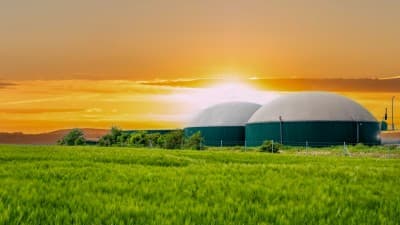
GasNZ chief executive Jeffrey Clarke says, “Produced by breaking down organic waste and other organic materials, biomethane has the potential to become an important part of New Zealand’s renewable energy supply over the coming decades, and offers a practical way to strengthen energy security and independence while reducing emissions.
Biomethane is a direct, low-emissions substitute for natural gas, meaning it can be used with the infrastructure already delivering gas to homes and businesses today.
“It is made out of materials we no longer need and uses the infrastructure we already have. That makes it one of the most sensible, practical ways to grow renewable energy in New Zealand,” says Clarke.
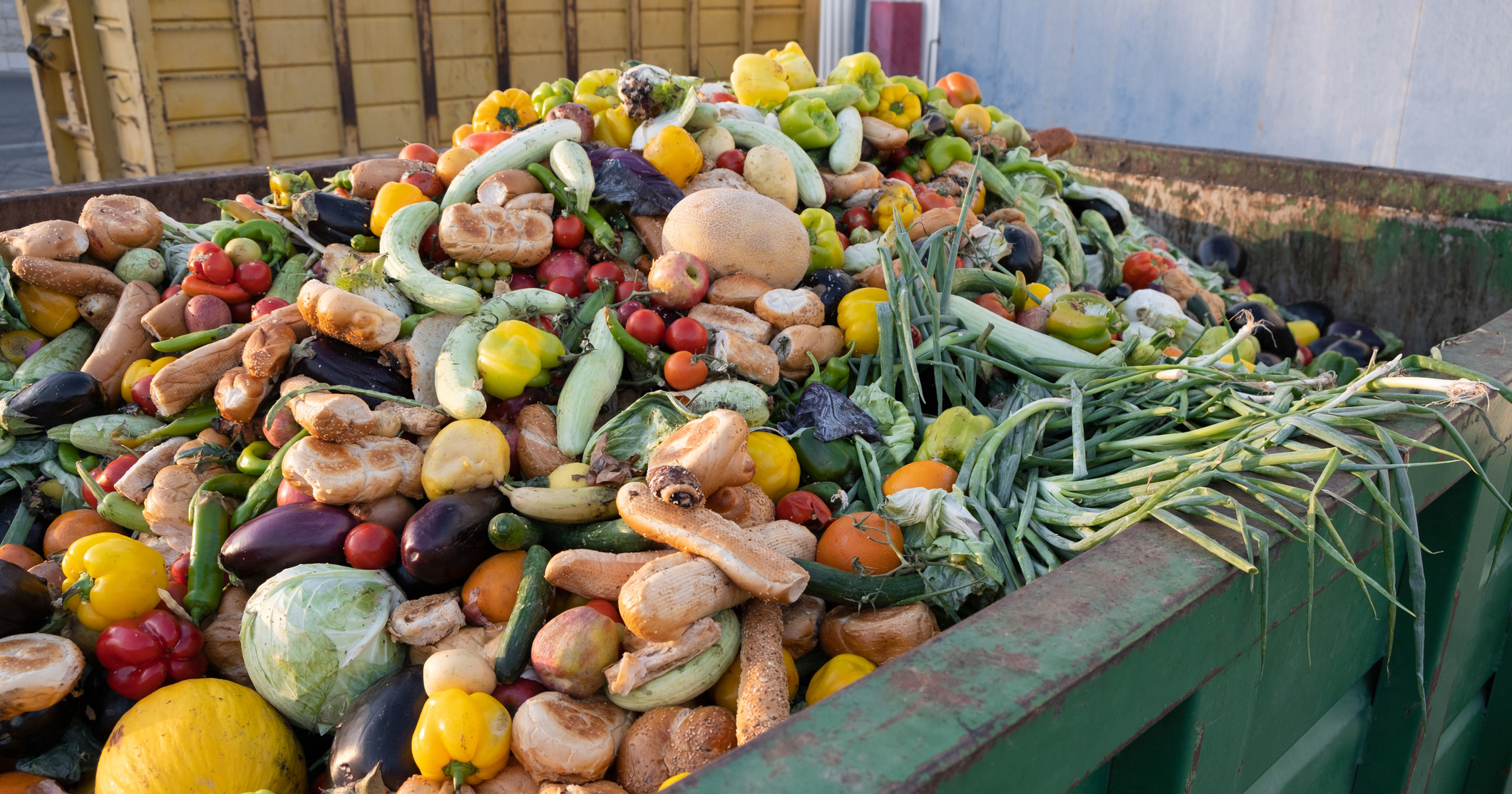
iStock image of food waste
A pathway to scale renewable gas
The strategy outlines a staged pathway to increase biomethane production, starting with a target of one petajoule (PJ) per year. This could be achieved by securing biomethane from projects already under development and upgrading biogas from existing sources such as wastewater treatment plants and landfill sites.
“One PJ is enough renewable, low-emissions gas to supply 3,100 typical commercial consumers, 10 typical industrial users, or 43,500 households,” Clarke says.
Production could then scale to five PJ by 2035 and 25 PJ by 2050, which could meet around half of New Zealand’s expected natural gas needs.
To put it into perspective, currently about 290,000 homes connected to natural gas in the North Island use roughly 6.8 PJ per year in total.
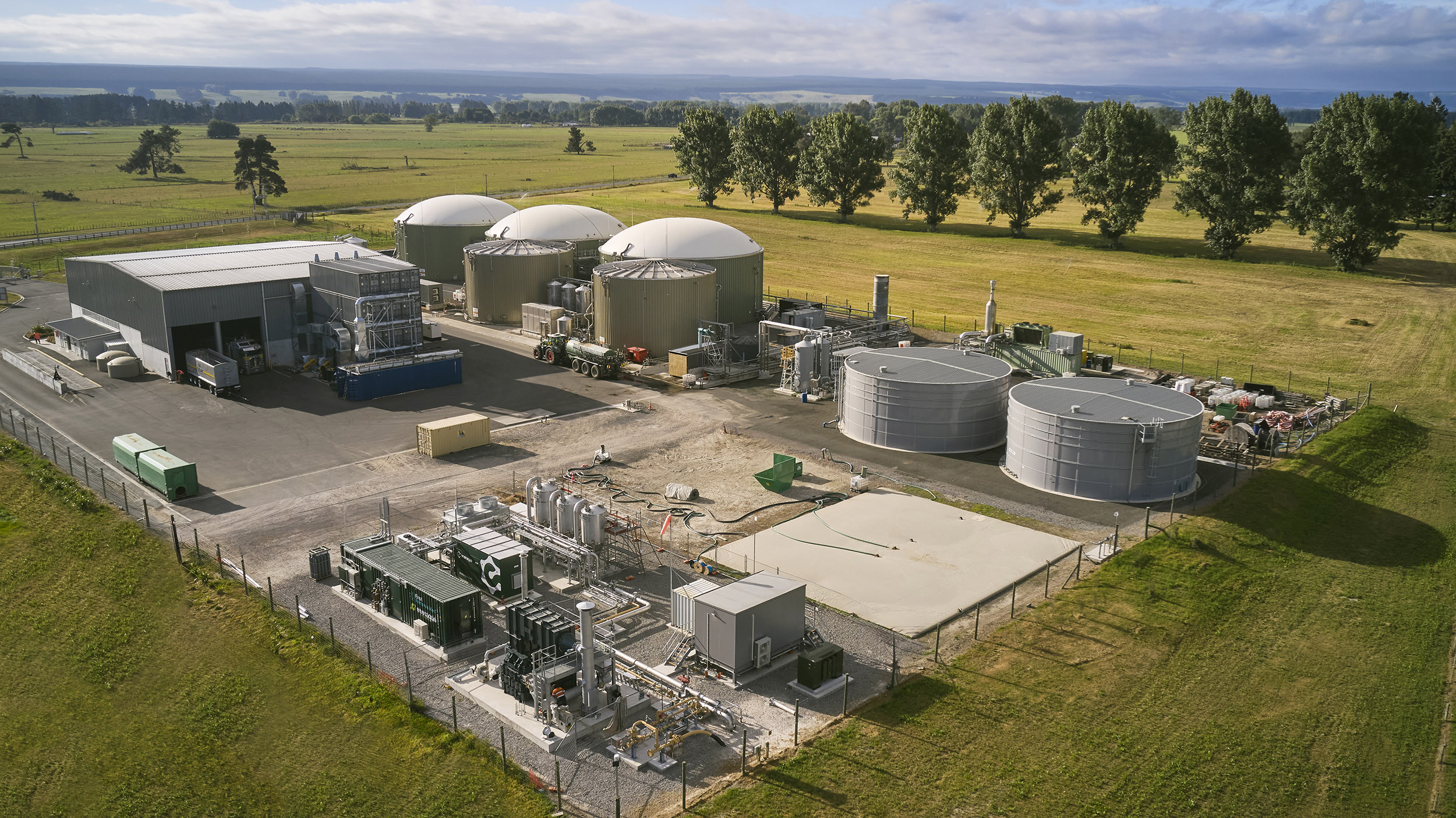
First Renewables biogas to pipeline facility
Renewable gas already underway
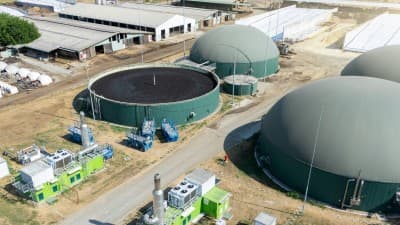
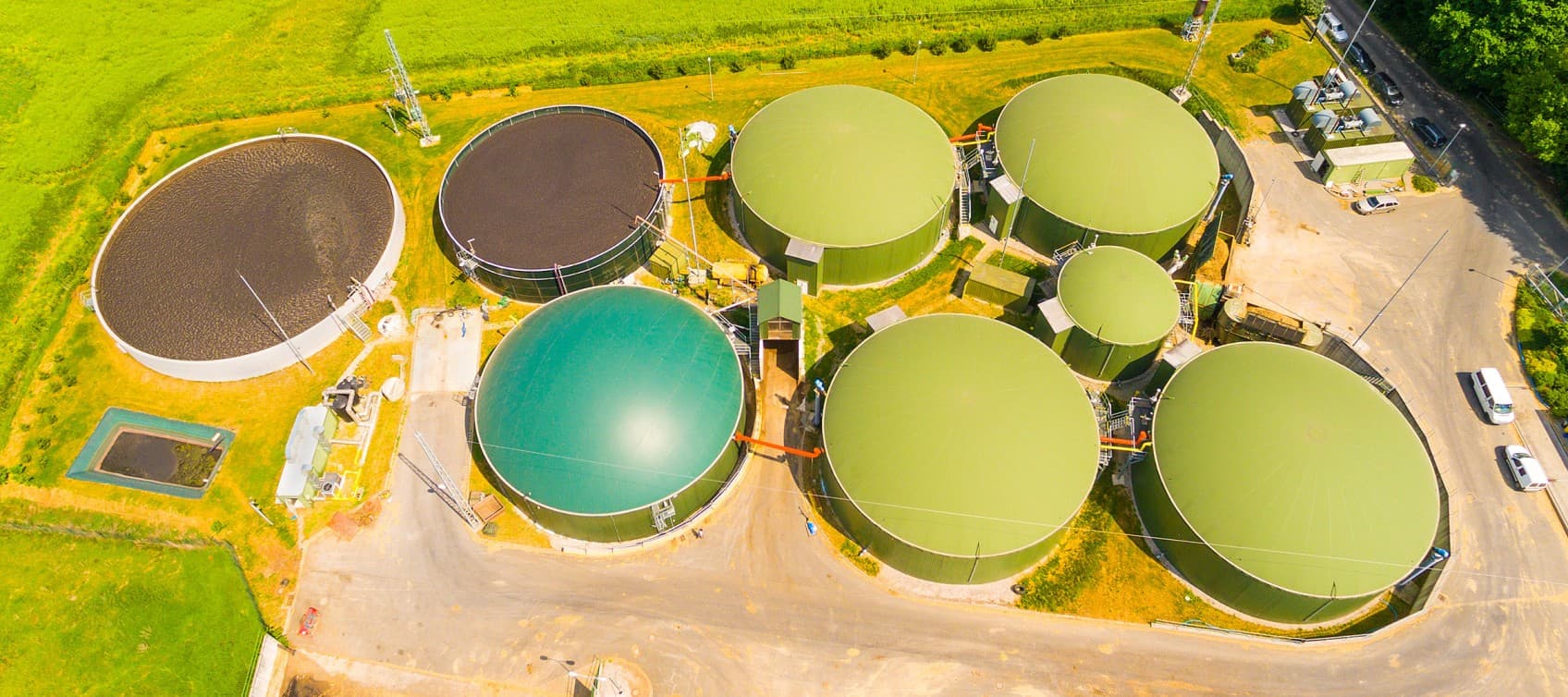
Renewable gas is already being produced in New Zealand. At the Ecogas Organics Processing Facility in Reporoa, Clarus business, First Renewables operates New Zealand’s first biogas-to-pipeline upgrade facility, converting kerbside food waste into biomethane and can be injected it into the Firstgas pipeline network.
The facility shows how organic waste can be turned into renewable gas and supplied through the existing gas network, demonstrating how homes and businesses could be supported in the future without requiring changes to appliances or infrastructure.
Supporting industry and regional economies
Biomethane could be particularly valuable for businesses that rely on the very high, fast heat that natural gas provides, where switching to alternative energy sources can be difficult.
Because biomethane is often produced close to where waste is generated, developing this renewable gas industry could also support regional economies.
Clarke says, “New Zealand is way behind other countries in producing biomethane.”
Internationally, biomethane is already playing a growing role in energy systems. Europe produces more than 170 PJ of biomethane each year, and Denmark has replaced 40 to 45 percent of its natural gas use with biomethane, largely sourced from agricultural waste, with a goal of reaching 100 percent by 2035.
Based on what has worked around the world to accelerate biomethane, GasNZ’s action plan details the policies and actions needed now to produce five petajoules of biomethane by 2035 and 25 petajoules by 2050.
“Biomethane provides a sustainable, low-carbon alternative to declining natural gas reserves as we transition away from fossil fuels,” adds Clarke.
Link to Biomethane Strategy and Action Plan: Summary Document
Link to Biomethane Strategy and Action Plan: Evidence Base, Framework and Analysis
Link to Sense Partners economic analysis: Systemwide effects of biomethane production in New Zealand