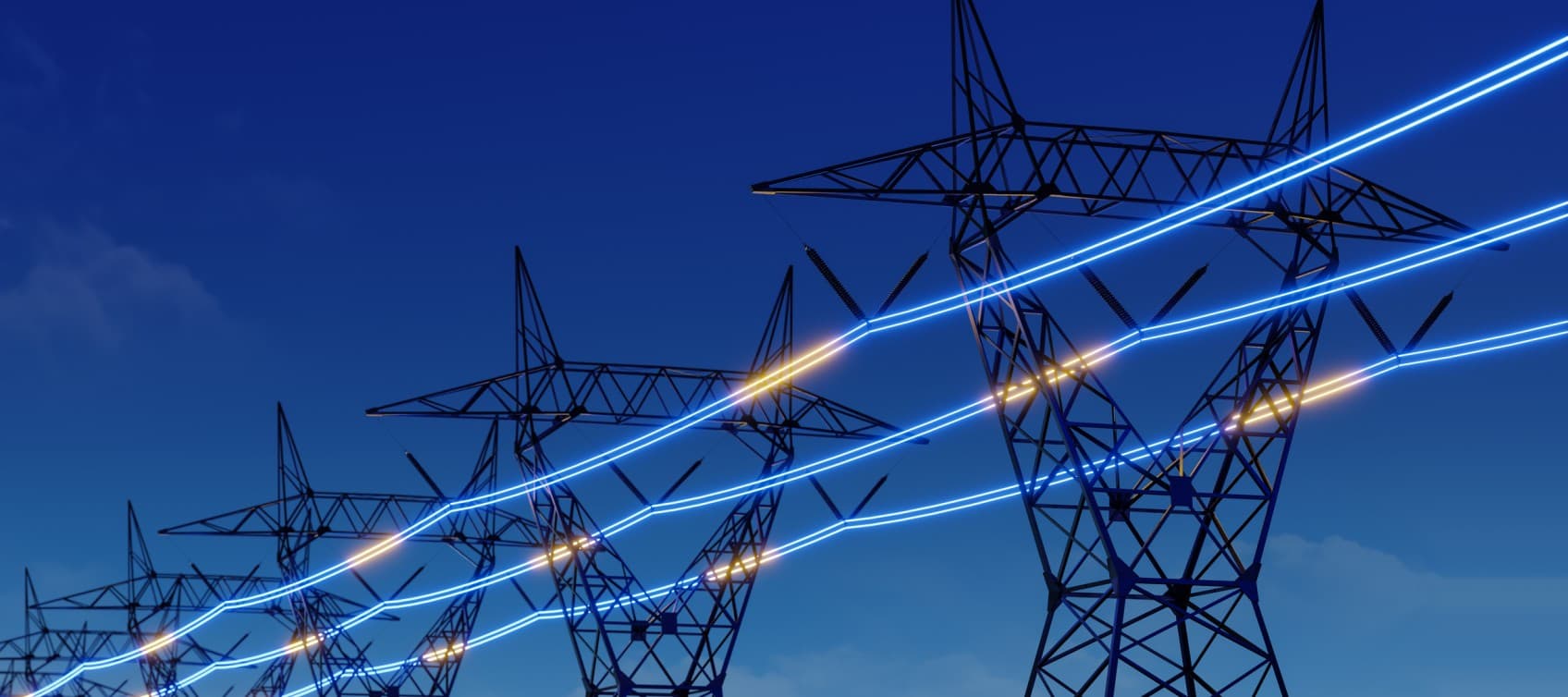
A new report by Transpower highlights the challenges faced by New Zealand’s energy sector as demands on the system increase and new types of generation expand.
Can New Zealand cope with all the extra load we’re adding to the grid? According to system operator Transpower, we might have some big challenges ahead. Its recently published Power System Stability Information Paper points out that the power system is evolving rapidly, as a changing generation mix meets rising demand.
Rooftop solar, batteries and other new technologies are all arriving at speed, while datacentres and other enterprises are drawing more heavily than ever on our grid. The good news is that Transpower is planning ahead to prevent any problems, and New Zealand still has back-up energy to support the grid – including gas.

Sourced: iStock image representing a Data Centre
Hundreds of megawatts of datacentre demand on the horizon
Until recently, the electricity grid has relied mainly on traditional energy sources like coal, gas and hydropower. These provide grid stability and resistance against load fluctuations and faults. Now we’re seeing the rise of renewables that feed power back into the grid in smaller amounts from many more locations: solar on homes and businesses, battery energy storage systems, and smaller wind turbines.
These generation sources can provide maintaining voltage and frequency becomes more complex and may occasionally fall out of step with grid voltages, Transpower’s report explains. As electricity is being added to the grid across the country, it will take some work to keep the system stable.
Stability will be even more of a challenge as large loads and datacentres add complexity to the demand on the grid. Transpower says it has received several enquiries from potential new datacentres, noting that “potential projects on the horizon are in the 100s of MW.” New Zealand’s first AI datacentre in Makarewa was recently approved, and Transpower notes several proposed data centres in the hundreds of megawatts, highlighting the scale of future electricity demand. Transpower is already planning for these changes. Today, thermal generation including gas continues to provide flexible generation that supports electricity supply when additional generation is required.
The pivotal role of gas in stabilising the grid
As New Zealand transitions to a lower-emissions economy, gas has a vital role to play. Other energy sector forecasts indicate gas will continue to play a role supporting electricity generation over the coming decades. Around a third of New Zealand’s gas is used to generate or co-generate electricity, which reduces the risk of outages even when demand is high. It provides nearly instant energy on cold dark, still nights when renewable generation isn’t quite enough.
Gas provides flexible generation that can help support the electricity system while new generation, storage and grid technologies continue to develop. Gas buys us time, so our energy industry can develop renewables that will meet increasing demand, in an affordable way for all electricity users.
Supporting reliable, accessible and affordable energy
Transpower has set out a plan to help it prepare for, and adapt to, New Zealand’s changing electricity landscape. It’s looking ahead to stabilise the grid before more datacentres are added, and to effectively manage the challenges of rooftop solar and batteries across New Zealand.
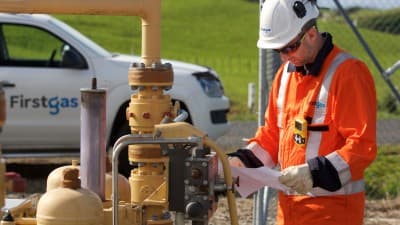
Clarus company, Firstgas delivers natural gas to homes and businesses, and also delivers gas that supports the electricity grid. We’re part of an energy sector that is working hard to supply reliable, affordable and sustainable power to Kiwi homes and businesses. You can learn more at Future of Energy.