Governments in New Zealand, Australia and Europe are investing in LNG import infrastructure to strengthen energy security during periods of supply constraint.
The New Zealand Government has announced that construction will start this year on a liquefied natural gas (LNG) import facility in Taranaki. The purpose of the facility is to provide New Zealand with back-up energy in the ‘dry’ years, when low rainfall means hydro lakes are low. The goal is to use imported LNG to prevent electricity price spikes, while also avoiding power shortages at peak times.
We’re not the only country that’s using LNG to bridge electricity shortfalls during the transition to net zero carbon. Imported LNG is a vital source of energy in Japan, China, Europe and India, and the IEA forecasts an “unprecedented scaling up” of LNG capacity over the next few years.
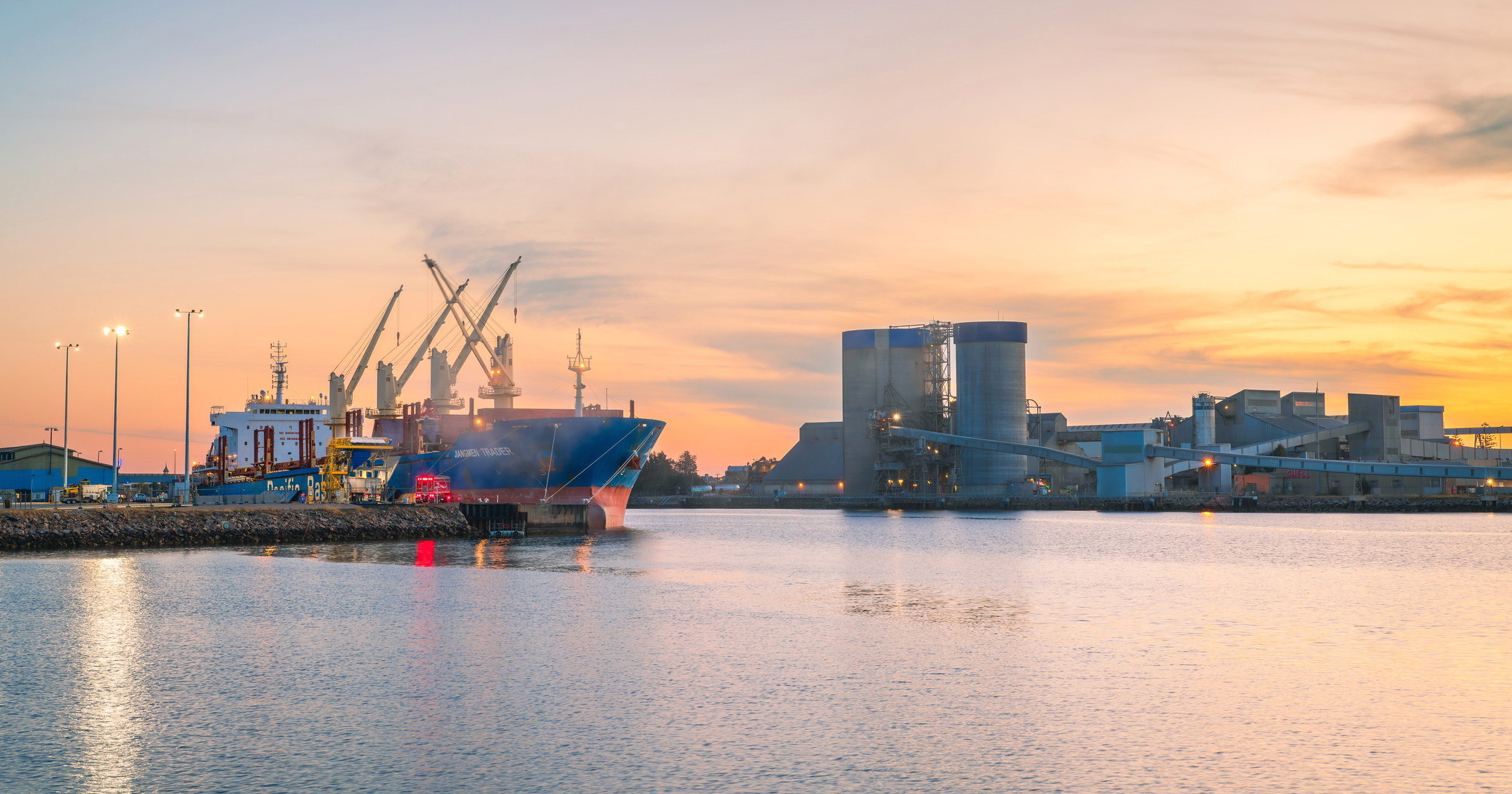
Port Adelaide, Australia where an LNG terminal is under construction.
Australia preparing to import LNG from 2027
Australia is the world’s second-largest exporter of liquefied natural gas, but high demand and falling supply on the east coast have caused challenges in recent years. In response, Australia has four LNG terminals underway that are on track to receive imported LNG from 2027. Around 85% of the Australian population inhabits the east coast, which includes the country’s three largest cities: Sydney, Melbourne and Brisbane.
It might seem surprising that Australia would need to import LNG when it produces so much of its own and has such huge solar generation. However, the cost of piping natural gas from the Northern Territory to the east coast is prohibitive. In addition, Australia faces a peak time shortfall similar to New Zealand’s. On cold winter nights, when the sun isn’t shining and the wind isn’t blowing, there needs to be a backup energy source to maintain electricity supply.
Australian Prime Minister Anthony Albanese has noted that gas projects, both future and current, are essential for “keeping the lights on”. Our neighbours across the ditch are working to use all their resources to power their energy transition, with a goal of reaching an 82% renewable grid by 2030.
LNG’s role in Europe’s energy security strategy
Europe has been working hard to shore up its energy supply and security over the past few years. Previously heavily reliant on Russian pipeline gas, the EU has pivoted to other sources of energy, including LNG imported from the US and elsewhere.
Gas is an essential transition fuel as the EU moves towards a fully renewable energy sector, thanks to lower direct carbon dioxide emissions than coal-fired power generation, high availability, instant heat and flexibility. It not only provides backup energy for the power grid when renewables are low, but some stakeholders suggest LNG infrastructure may be adaptable over time to handle other energy carriers, subject to technical and commercial feasibility. The EU’s LNG import capacity grew by 70 billion cubic metres from 2023 to 2024, and an extra 60 billion cubic metres is expected to become available by 2030, thanks to new terminals proposed or under construction across Europe.
Plus, a recent report by IOGP Europe says that LNG terminals can play a key role in transitioning away from fossil fuels, “terminals can handle hydrogen derivatives (e.g., ammonia), liquefied hydrogen, and captured CO2. Acting as hybrid hubs for various molecules, they enable a gradual, cost-efficient and secure energy transition.”
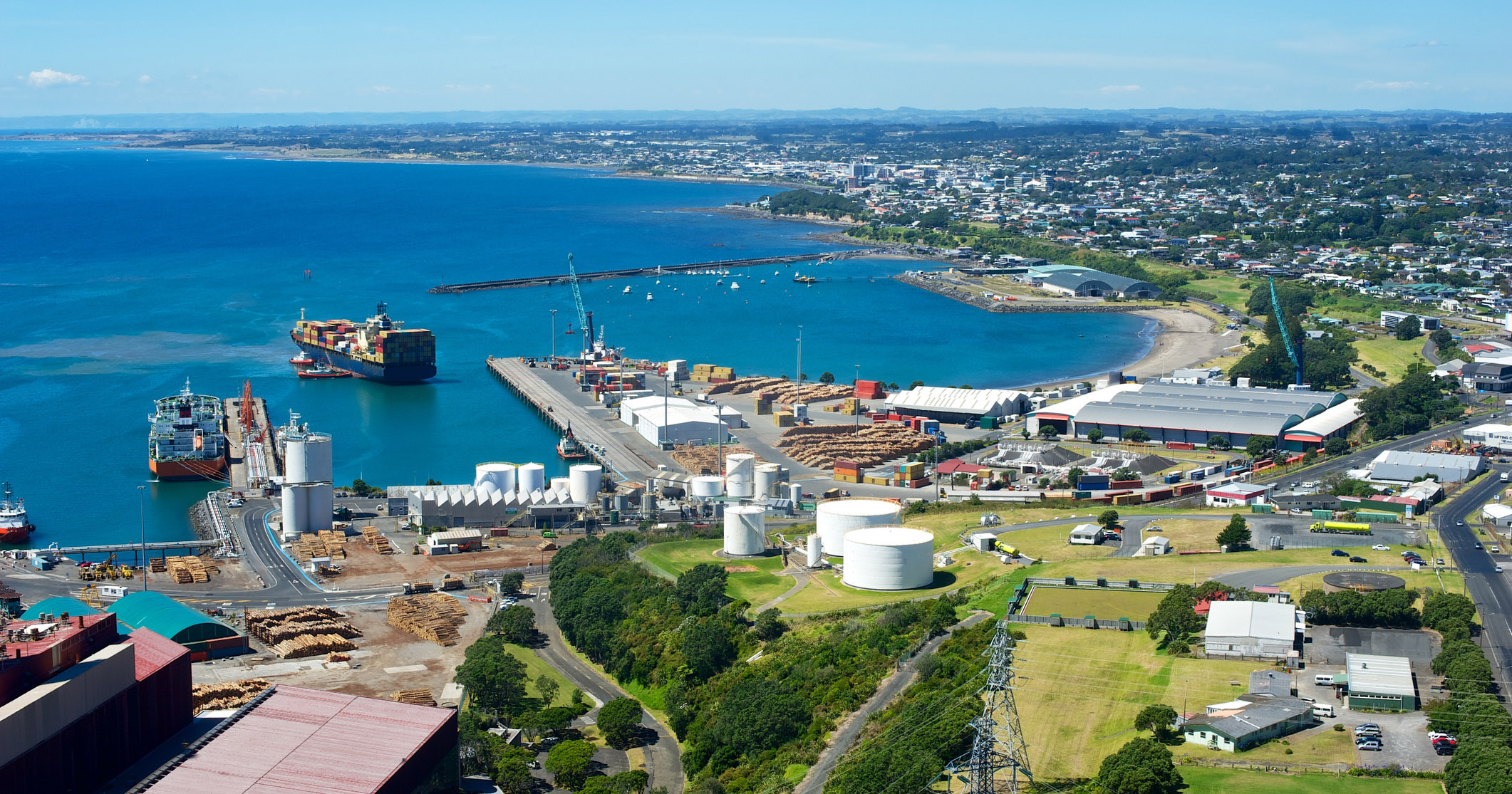
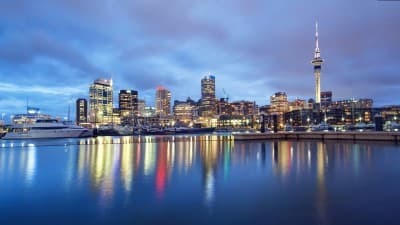
Port Taranaki, the proposed site of the new LNG terminal.
LNG terminal “a confidence boost” for Taranaki
The new LNG import facility in Taranaki is set to be completed in 2027 or early 2028, with Energy Minister Simon Watts saying it will provide Kiwis with “greater security and peace of mind.” And here in New Plymouth, Port Taranaki says the project will be “a confidence boost for the region”, adding that it “will ultimately support the build-out of more renewable generation projects”.
Read more about Clarus’s role in New Zealand’s energy transition at Future of Energy.