New Zealand has fantastic renewable resources: sunshine, wind, geothermal and hydro. In the last quarter of 2025, renewables supplied 96.4% of the electricity generated – a new record.
With almost all our electricity coming from renewables, why do we still need gas? There are two main reasons: first, electricity can’t do every energy job in our economy, and second, renewables aren’t yet meeting demand at peak times in dry years.
Electricity can’t do everything, so sometimes we need gas
In 2024, 85.5% of our electricity was generated from renewable sources. But not all the energy we use is from the electricity grid. There are some types of processes that can’t run on electricity, like flying or creating chemicals, and there are some activities where we’ve still got some way to go on electrification.
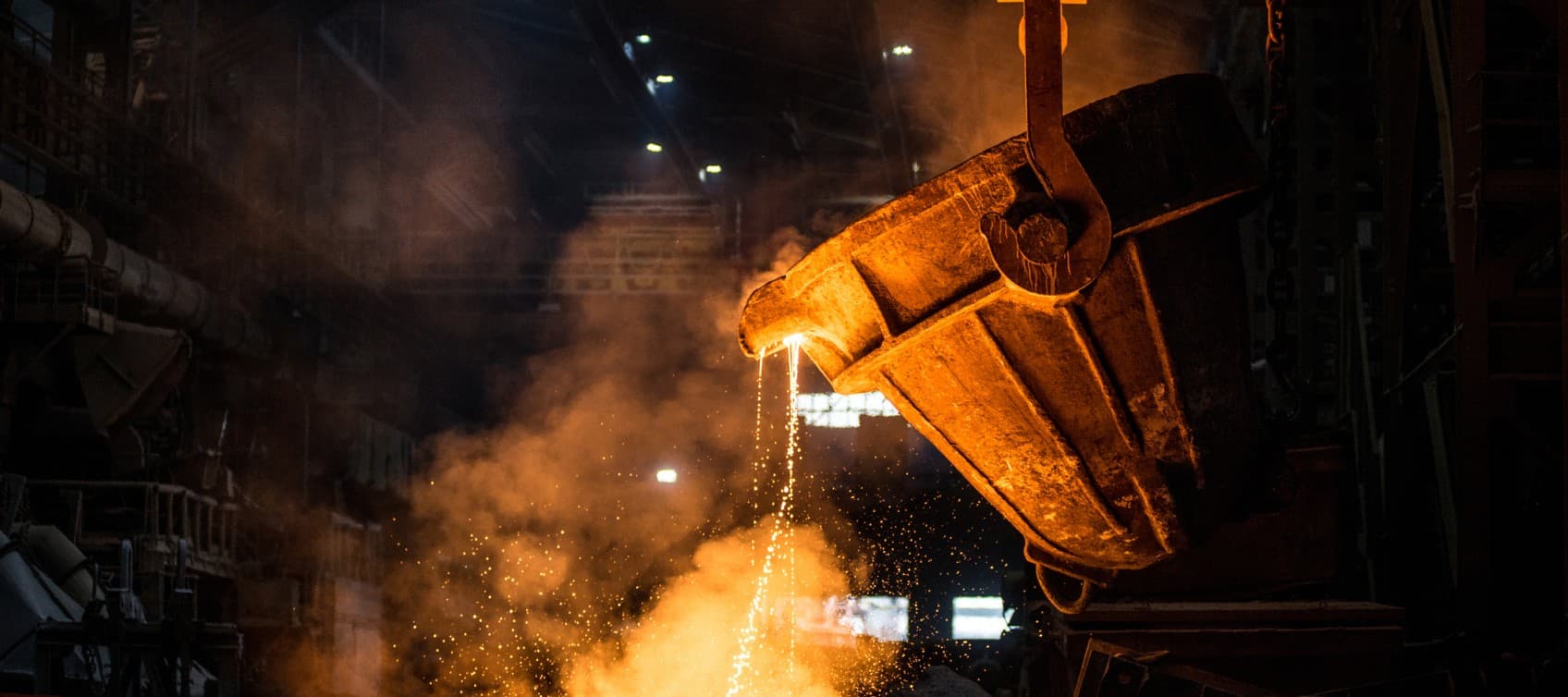
Renewables made up 45.5% of our total primary energy supply, which was a record high – and we expect this to have risen since then, which is good news. The other 50%-plus of our energy use is from sources like oil, gas and coal. Most cars, trucks and ships rely on petrol or diesel; aircrafts use aviation fuel. Many industrial and manufacturing businesses use gas for high-heat processes (‘process heat’), including steel manufacturing, concrete and glass production. Gas is also useful in food production, including fruit and vegetable processing, beer manufacturing and making sugar.
We have a dry year problem that gas helps to manage
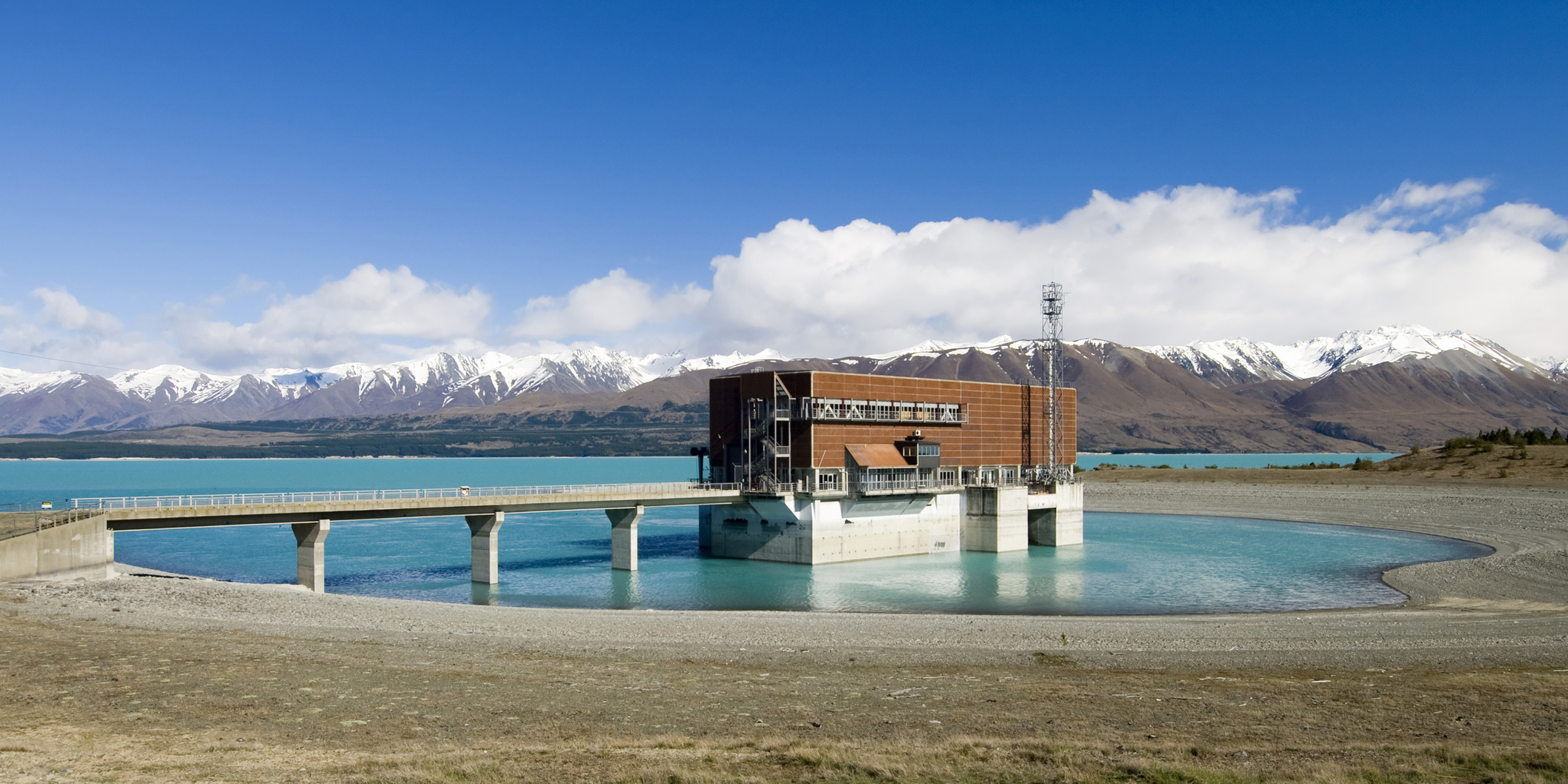
iStock image - The Tekapo B hydro power station on Lake Pukaki
In a dry year, with not much rain or wind, our renewable generation levels drop below what the country needs to keep the lights on at peak times. This is known as dry year risk, because when there’s not much rain, hydro lake levels are low and the dams produce less electricity.
In winter, on cold evenings and frosty mornings, everyone turns on their heating at once, so our power use peaks. There’s low wind and solar generation at those times, and with low lake levels the result is that we don’t have enough electricity to meet demand. We use gas and coal to make up the difference.
Until we have a renewable solution to the dry year problem, we continue to rely on gas to help out at peak times and prevent blackouts. The Government is planning to import liquefied natural gas while it considers renewable dry year options.
Gas is part of an energy mix to meet a range of needs

Source: iStock image
New Zealand relies on a mix of energy types, which gives us supply security, flexibility, choice, and a more resilient economy. We’re connecting more solar and wind generation, and also installing more batteries to store renewable energy. We’re also investigating in new types of fuels for those parts of the economy that can’t use electricity, this includes renewable options like sustainable aviation fuel and renewable gas.
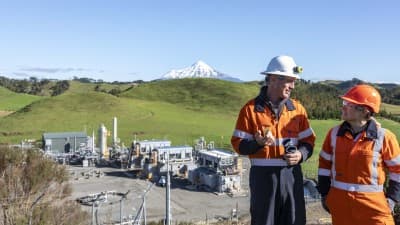
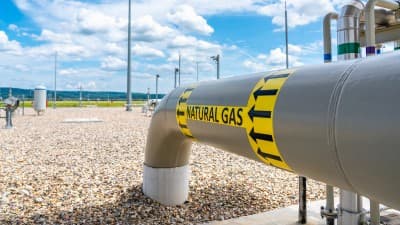
Gas remains a crucial part of New Zealand’s energy mix, from our homes to our electricity grid to our food processing. Clarus is part of the Energy Transition Framework, so we are committed to a secure, reliable and affordable energy sector. Learn more about the important role of gas here.